How a Preschool Inquiry Becomes an Admission (The Full Process I Use Across 6 Branches)
Not a percentage chart — the actual distance an inquiry travels before it becomes an admission. The call, the visit, the play area, the fee conversation, and the follow-ups that carry it.

Rahul Purohit
· 12 min read
In an earlier article I wrote two things about preschool admissions: the phone usually rings before anyone walks in, and I cannot give you a clean percentage split between walk-ins, ads and referrals — because they feed each other. A parent sees an ad, asks a neighbour about us, then calls. Which bucket does that admission belong to? There is no honest answer. If you want that groundwork, it is in the 10 questions people ask me before opening a preschool.
So this is not a percentage chart. This is the road itself — the actual distance an inquiry travels before it becomes an admission. What we ask on the first call and why every single question has a job. What parents really look at when they walk in. Where the fee conversation sits, and the mistake I have been making with it since 2022. What we spend on ads and what that money genuinely buys. And how a referral gets made, because it is not luck.
All of it is from the preschool I opened in May 2022 in a small town in Pune district, and the six branches we run today.
The first call is an information call, not a sales call
Most inquiries start on the phone. Not all — a parent can walk in cold, with no call at all, and that happens often enough that you should never build a system that assumes a call came first.
The person taking that call is never a junior reading a script. It is the centre head, the principal or the admin head. At every branch, the senior-most person on site owns the inquiry. This is deliberate. A parent is about to hand over a two-to-six-year-old child to strangers for a few hours a day. The first voice they hear should be the person actually responsible for that child.
The call has a fixed shape:
Greeting, then the parent's name. Good morning, good afternoon — and then ask who we are speaking to. Not "how can I help you." A name.
The child's name. This sounds small. It is not. From that point onward the conversation is about a child, not about an enquiry.
The child's age — and immediately, what that age means. Playgroup, nursery, LKG, UKG. Tell the parent which section their child fits into before they ask. Half the parents calling do not know these sections exist.
"What information do you need?" If the answer is a one-liner, give it on the phone. Do not hold information back to force a visit. Parents can hear that trick.
A tentative date and time for the visit. Not "come and see us sometime." An actual day and an actual hour.
Operator note: if you fix only one thing in your inquiry process, fix step 5. The date-and-time question is what your entire follow-up stands on. Without it your next call has no reason to exist — you are pestering a stranger. With it, you have one clean line: "you had mentioned Saturday around 11, should we keep it?" That one line carries half our follow-ups.
And there is one more question, which comes either on the call or at the start of the visit: where did you hear about us? This is not for a report. It changes how the rest of the conversation goes. A parent sent by their neighbour already trusts you and needs different handling from a parent who saw an ad on Instagram twenty minutes ago and knows nothing.
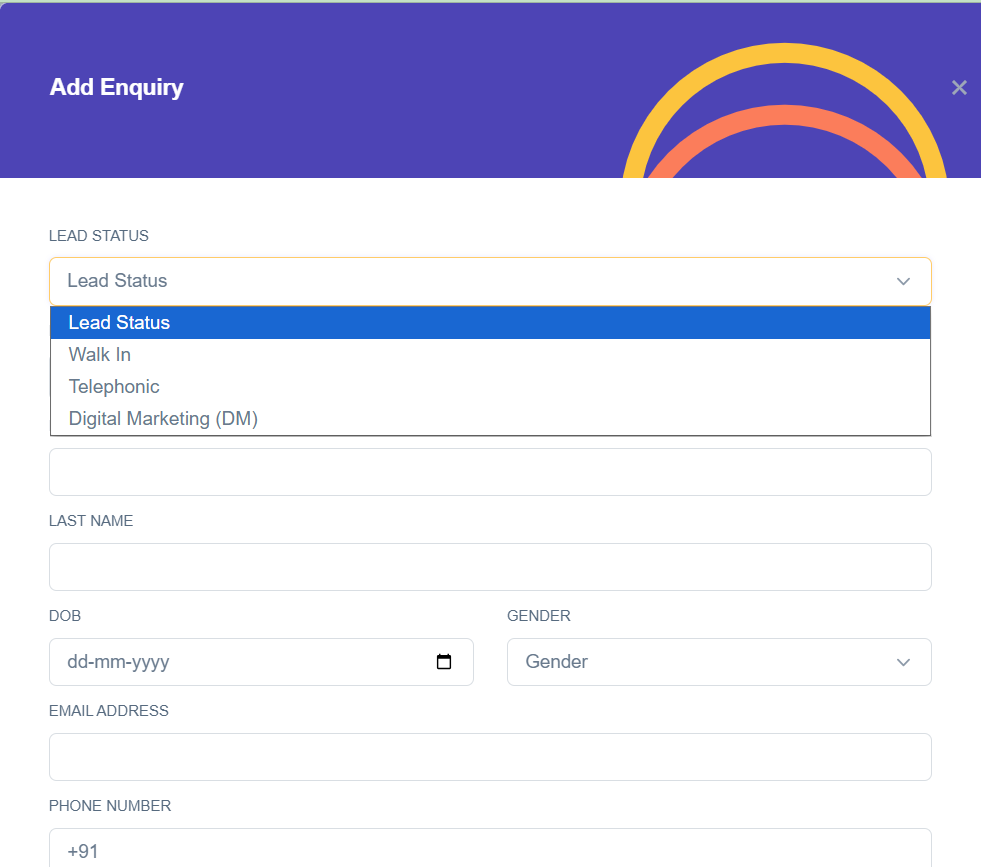
Every inquiry does get tagged by source — walk-in, telephonic, digital marketing. But note what that tag actually records: how the inquiry reached us. It does not record why the parent picked up the phone, and those are rarely the same thing. That gap is exactly why the percentage split people keep asking me for does not exist.
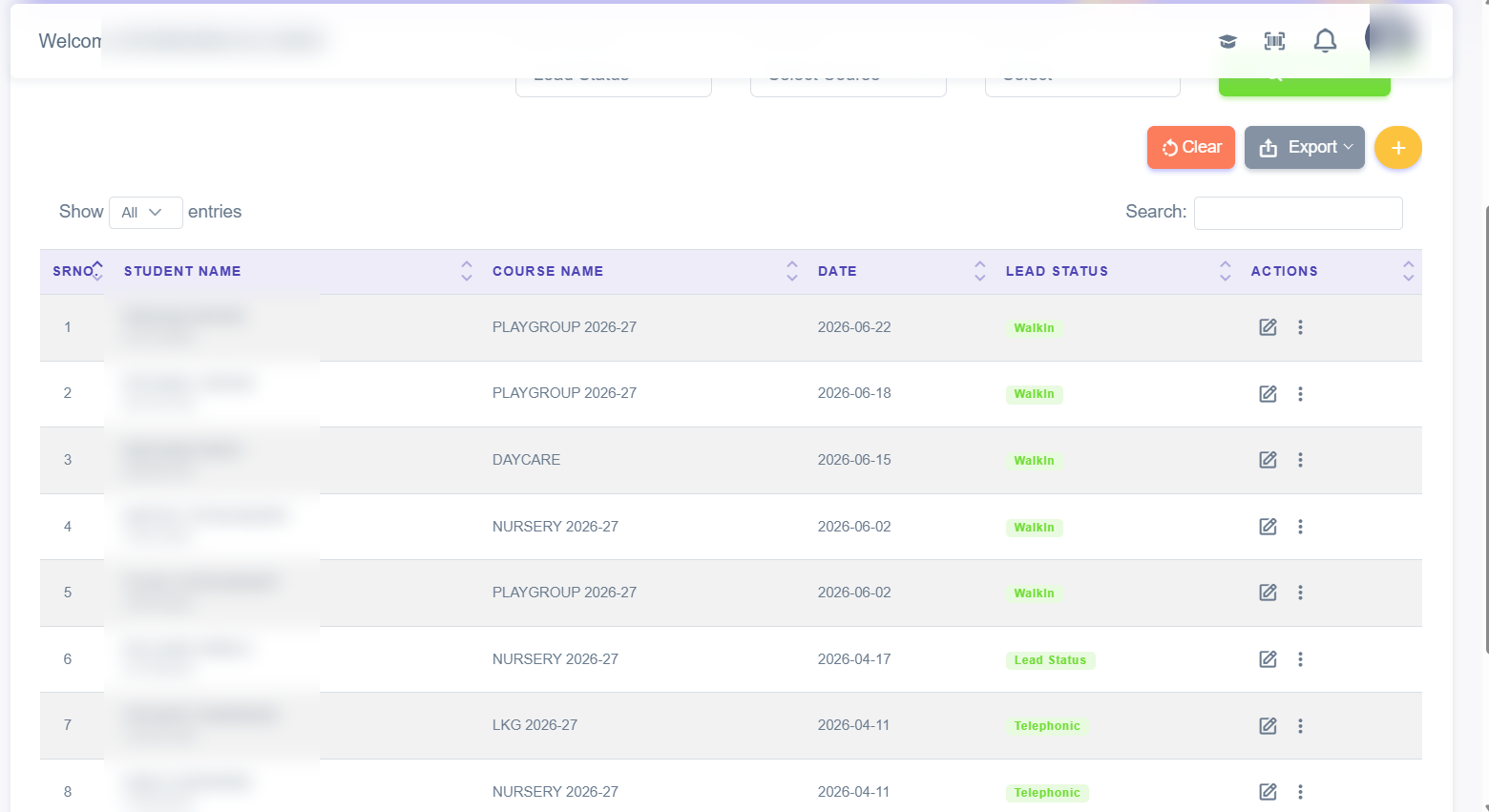
The inquiry then goes straight into our software. Not a register, not a WhatsApp message to myself. A register works fine when you have ten inquiries and one branch. Across six branches in admission season, inquiries that live in someone's notebook simply stop existing the day that person is on leave. Building that kind of tool for myself is a separate story — I write about how I build my own software here.
The visit: parents decide in the play area
When the parent arrives, the head or principal greets them again properly — and greets the child, by name. If the child is there, the child is part of the conversation. Then a little about the parents themselves, their background, where they live.
Only then does the school get talked about, and the order matters:
Hygiene and security first. Always first. This is a parent leaving their child outside the house for the first time in that child's life. Nothing else registers until they are satisfied the place is clean and the child is safe.
Then why preschool at all, at this age. What happens to a child between two and six, why these years matter, and what it will mean when the child reaches primary. Many parents have never had this explained to them by anyone.
Then what we specifically do. Trained teachers and what their training covers. The caretaker — the "maushi" — and exactly how she handles a child's hygiene through the day. Table manners at snack time. How children learn to engage with children their own age, and how they learn to speak to adults.
Then the walk-around. And here is the part nobody plans for: the parent does not lead this walk. The child does.
The child runs to the play area. Every time. The parent follows, and stands there watching their own child climb something and laugh. That is the moment the admission is decided — not in the office, not over the fee sheet. Parents see their child settle, and something in them settles too.
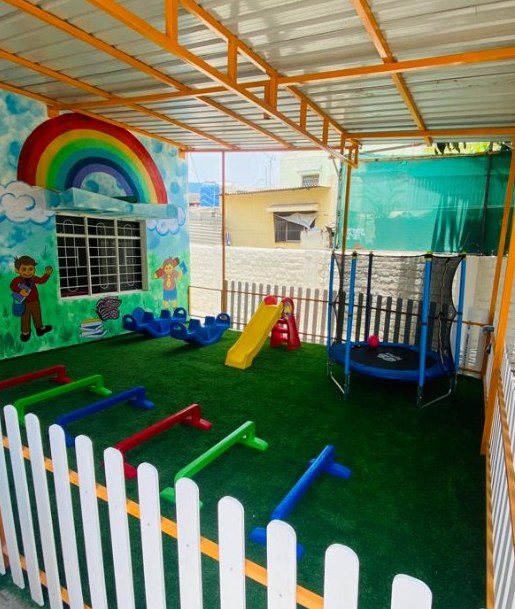
After the play area they look at the classrooms, they look at the staff, and then they check the washroom and the pantry area. But the attachment has already formed outside. In four years I have not seen this order change.
The fee conversation comes last — and this is where I have been wrong since 2022
Fees do not come up in the middle. They come at the very end, after the parent has seen everything, and after one specific question: how did you find the school? We take that feedback first. Only then do we move to fees and how the instalments work.
That sequence is right. What comes after it is not.
I have a fee structure. It is written down. Between 2022 and 2026 I have not once held it. Discounts get given. Different parents end up paying different amounts for the same class, the same teacher, the same year. Every time it happened there was a business reason in the moment — a slow season, a parent who would clearly have walked, two siblings, a good family we wanted. And every one of those reasons made sense on the day.
It is still the biggest mistake I have carried through this business.
Here is the cost of it, which took me years to see clearly. The parent who bargained hardest pays the least. The parent who came through a referral, trusted you completely and never argued, pays the most. You have quietly charged loyalty a premium and rewarded pressure. In a small town, where the parents of your school all live in the same few societies, that does not stay secret.
What it should be: one fee, one payment breakup, both locked, and no discussion on either. Not as a negotiating stance — just as a fact of the school, the way the timings are a fact. I have not managed it yet. It is the one thing I intend to fix. (The fee figures themselves, and what they do to your maths, are in the break-even article.)
Follow-up: sometimes one call, sometimes six
From the first phone call to a confirmed admission usually takes two to three days. Sometimes a week — most often when the parent is travelling or out of station. Occasionally a single follow-up does it. Occasionally it takes five or six.
Because that range is so wide, you cannot run follow-up on memory. What I would tell any owner to build is a written pattern of roughly eight to ten touches: which day a call goes, which day a WhatsApp goes, what the call says, what the message contains. Then it does not matter who is on duty, or whether your best admin head left in March. The inquiry gets the same treatment either way.
What we actually spend on ads — and what it buys
For the launch in 2022, marketing was about ₹60,000 — banners, pamphlets and the first two or three rounds of advertising — with the signboard and branding a separate ₹40,000 on top. Both of those sit inside the ₹12 lakh setup breakdown.
Today we run on Instagram, Facebook and Google — all three. Not continuously. Ads run in bursts of two to three months around the admission window, then stop.
Item | Roughly |
|---|---|
Launch marketing (2022, one-time) | ₹60,000 |
Signboard and branding (one-time) | ₹40,000 |
Monthly ad budget set aside, per branch | ₹15,000–16,000 |
What actually gets spent, per branch | ₹8,000–13,000 a month |
How long ads run at a stretch | 2–3 months, in bursts |
It varies branch to branch. A branch in a denser area burns through more; a smaller one spends less and gets the same phones ringing.
The creative is deliberately plain: photographs, the age groups we take, a line or two on what children actually learn with us, and "Admissions Open" for the coming academic year. The fees are never on the creative. A fee on a poster makes the decision before the conversation has happened — and the conversation is the entire product. The parent who would have understood the value never calls.
We are still running ads in 2026, four years in, with referrals flowing steadily. People ask why. Because ads were never buying admissions. They buy phone calls, and everything in this article happens after the phone rings.
The two objections you will actually hear
Fees come up, but less than owners expect. Beyond that, parents raise surprisingly little — because the conversation described above clears most of it before it becomes a question.
The one real objection, the one I hear constantly, is not about money at all: "is it even necessary to send a child to school at this age?" Parents of three- and four-year-olds genuinely do not know why they should. That is not a price problem. That is an awareness problem, and if you treat it like a price problem you will drop your fee and still lose the admission.
Why a walk-in does not convert
Two reasons, and honestly not many more:
The fee structure.
The herd. "My neighbour's children go to that school." "Everyone in our society sends their children there." "I have heard about their experience." The parent is not comparing schools. The parent is following people they already trust.
Everything else is small, and small things get sorted in the conversation — a parent who raises an issue and gets a straight answer usually takes the admission.
The same herd is where referrals come from
That second reason cuts both ways. The behaviour that costs you an admission is the exact behaviour that brings you three.
A current parent sees growth in their own child — speech, confidence, manners, the child getting ready for school on their own. Their neighbours see it. Their society sees it. Relatives in the same city see it. Nobody has to be asked. This started in our first year: by the 2022 season we were already taking admissions that came purely on someone's word.
Referrals reach us from current parents, from ex-parents whose children have long since moved to primary school, from teachers, from society and building contacts, and from plain personal acquaintance. All of it, all the time.
We do run a referral discount. My honest position is that we should not. A referral is somebody putting their own reputation behind your school — that is trust, and a discount tries to pay for something that was already given free. Worse, it feeds straight back into the fee mess above. I would rather thank a parent properly than quietly put them on a different fee than their neighbour. That said, it is a small thing and I hold it loosely.
Two things I would tell any preschool owner
1. Your biggest competitor is not the preschool down the road. It is "the child is still small."
Most owners build everything — ads, boards, conversations — against other schools. Better facilities, better teachers, better fees. But the parent who has not yet decided to send their child anywhere is not comparing you to anyone. They are sitting at home thinking three is too early. That parent is a far bigger pool than the one you are fighting over, and almost nobody is talking to them. When I opened a branch in a Pune suburb with seven preschools already operating nearby, this is the difference that let us go from eight children to around forty in two years — that story is here.
2. Your play area is your best salesperson.
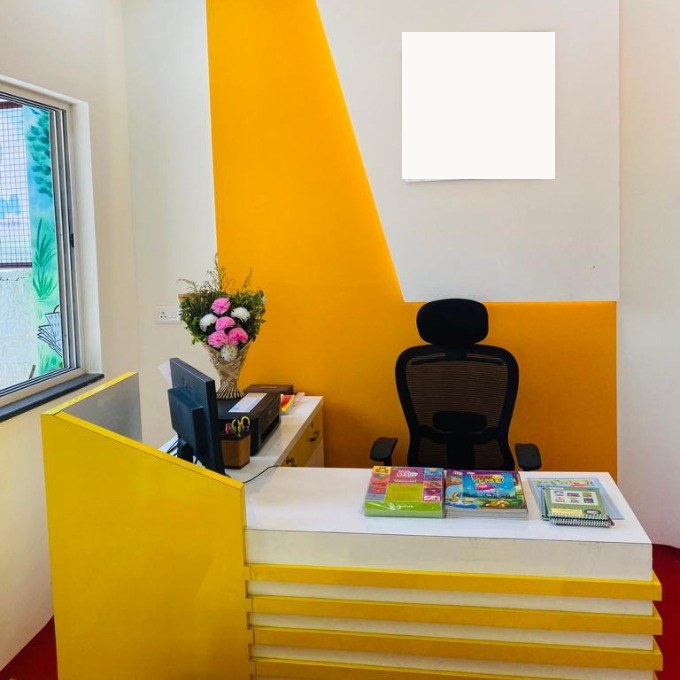
Not the brochure, not the fee sheet, not your own explanation of the curriculum. The parent decides while watching their own child settle in. So the play area should be the cleanest, safest, most visible thing on your premises, and it should be the first thing anyone walking in can see. Most owners spend on the reception. Spend it outside.
If you are starting out
The ad budget is the smallest part of this. The road is: call, visit, feedback, fee, follow-up — and each step has one job. Get the date and time on the call. Put hygiene and security first at the visit. Let the child lead the walk. Keep fees last, and then, unlike me, actually hold them.
If you are still working out the numbers underneath all this, start with what it really costs to open a preschool, then how many students you need to break even, and then how one premises can carry four income streams.
